Homelab

I’ve really missed having a homelab over the past few years. I vaguely remember a PC I assembled in the early 2000s with a dual Pentium II, ECC RAM, and Debian GNU/Linux. It served as a firewall, DNS, DHCP server, mail server (back when spam wasn’t yet a massive problem), and file server.
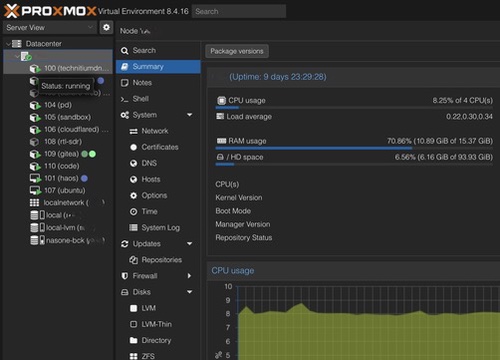
Proxmox

Proxmox VE Dashboard

For a long time, I got by with a minimal home setup—just a MacBook and a router. But eventually, you realize you need more: a NAS for proper data control (the cloud isn’t a universal solution), a UPS to keep your storage safe from power fluctuations, and an ever-growing collection of IoT devices.
Hello 2026

A new year, a quiet page to fill.

The calendar has turned and 2026 is here — another chance to slow down, take stock, and start small. I don’t have grand proclamations to make, just a few modest intentions:

  • Pay more attention to the small things that make days good.
  • Finish the little projects that have sat half-done for too long.
  • Read more, write more, and notice the world without always trying to fix it.

This site will continue to be a place for notes, tinkering, and things I find worth saving. I expect fewer fireworks and more steady steps: short experiments, tiny wins, and the occasional long walk.

Moving from Hexo to Hugo

After a long time with Hexo, I’ve decided to switch to Hugo for my personal site. It’s faster, simpler, and fits better with how I want to manage my content going forward. I haven’t decided yet whether I’ll migrate all the posts — we’ll see. I’ll start by adding a few older posts to test the layout.

For now, I’m keeping things minimal.

Via degli Dei, from Bologna to Florence... on foot

The name Via degli Dei is quite evocative, but saying Bologna-Florence on foot brings you back to reality. Here I’ve collected some notes that I’ll probably never finish…

Preparation

Route

Planning the route well is essential. I searched online for everything I could find, collecting maps, directions, and points of interest. I spent some time looking for software that would help me prepare the route well, and in the end I got along well with Garmin Basecamp and OpenStreetMaps maps I tried to build the track following the standard “Via degli Dei” (optimizing the points as much as possible)

La ragazza dello sputnik

“Un silenzio che non offre promesse continua a riempire lo spazio all’infinito. Ma io non ho fretta. Non c’e’ bisogno di affrettarsi. Io sono gia’ pronto. Posso andare in qualsiasi posto. E’ cosi? Esattamente Cosí.”

Haruki Murakami - La ragazza dello sputnik

Solo tre personaggi, solo tre solitudini. Struggente e malinconico. Difficile prendere un libro in mano dopo averlo letto e avere quasi paura di riprovare le stesse emozioni. Il finale e’ un crescendo che ti porta ad un vero stordimento emozionale. Non c’e’ nulla di assurdo, nulla che ti lasci presagire qualcosa di molto strano se non una visione “orientale” del mondo. Dopo aver letto Norvegian Wood/Tokyo Blues, lo stile di Murakami non mi era nuovo. Le sue metafore e l’introspezione dei personaggi fanno parte del suo modo di raccontare.

Sick, Pointless and with new engine.

I’m sick. There are elections out there and I’m bored under my blankets.

I can’t sleep and the geek in me asks if my too simple blog needs to be revamped. For a long time I’ve thought about a simple content manager written in some interesting language (ie ruby) using flat text files for persistence. Not much different from blogger that I’ve used until today, but that involves reinventing the wheel. Again.

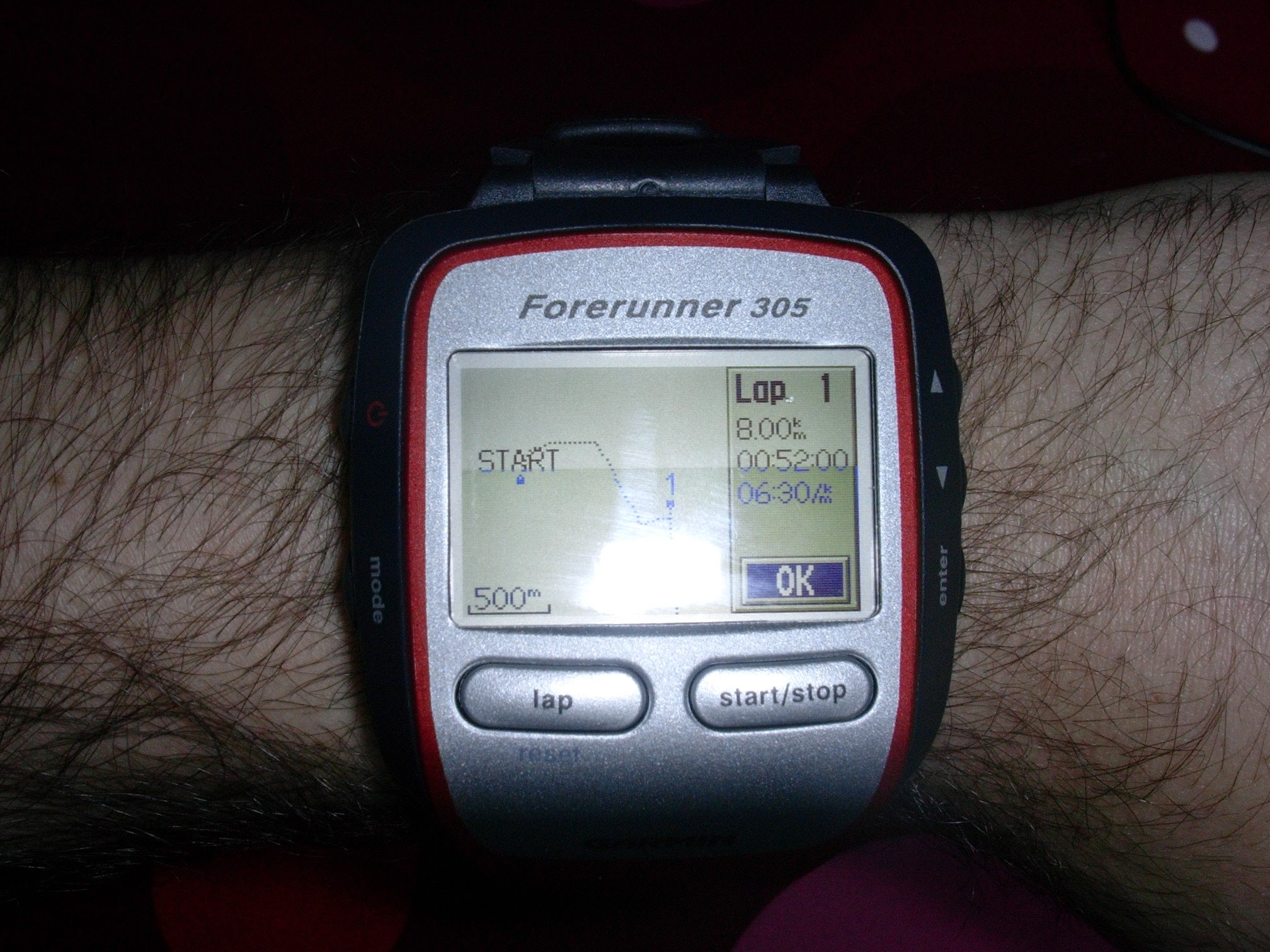
Garmin Forerunner 305

Well yes, GPS devices are useful for runners too and this Garmin Forerunner 305 I believe is one of the best on the market.

Garmin Forerunner 305

What is it useful for? Very much so. First of all to understand the pace we are keeping at any moment without having any kilometer reference point. The only valid technology for this purpose is the use of the GPS system which provides us with very precise data on speed and elevation. There are devices on the market like the Nike+ for iPod, but being equipped only with an accelerometer they need to be calibrated and will never be so precise.

Hacking the ASUS WL-500g Premium

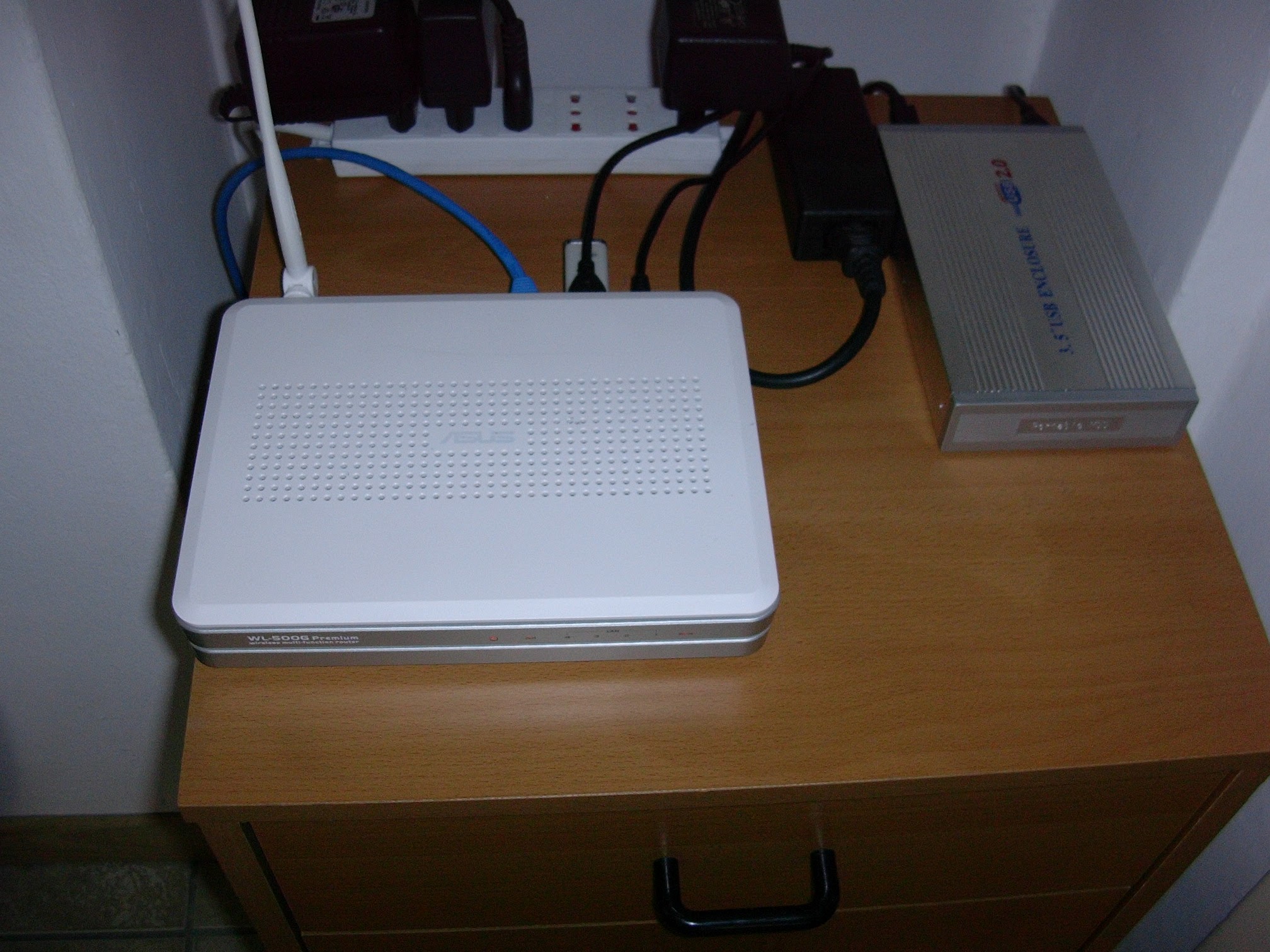
I’ve used to prefer an assembled PC with old hardware in place of typical hardware routers and gateways. After years with a Debian PC used as router/fileserver/etc I’ve wanted a silent little machine to do the same things. The ASUS WL-500 was the response, after a week or so I’ve changed the firmware with x-wrt that is OpenWRT with a much better GUI and some patches.

ASUS WL-500g Premium

Surfing the net

No problem at all, I’ve wireless and wired clients. I use WPA for the wireless connection in the advanced setting I’ve found that Since OpenWRT RC6 you have to set wl0_txpwr in qdBm (1/4 dBm), so if you want to achieve 20 dBm, you have to set wl0_txpwr to 80.